
Capitalizing on Intelligence: Why China’s New IPO Policy for AI is a Game-Changer
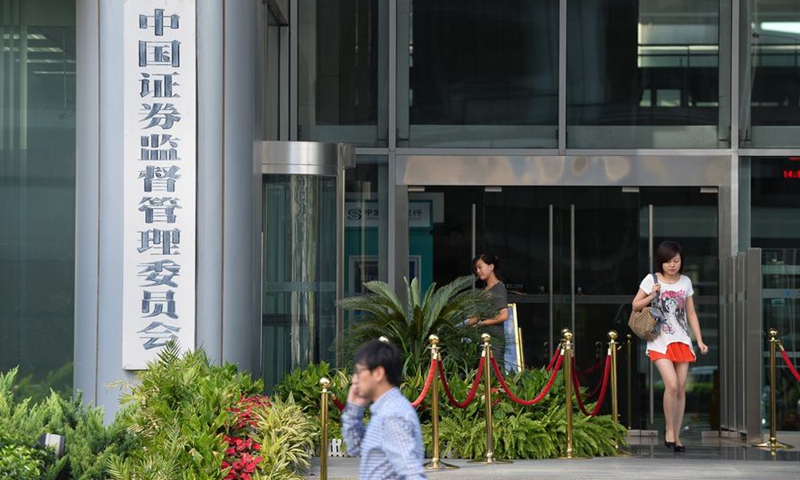
The recent announcement by the China Securities Regulatory Commission (CSRC) to extend its "fifth listing standards" to the AI sector is a pivotal shift in how the nation bridges the gap between deep-tech research and financial scalability. By allowing unprofitable but high-potential AI firms to access the STAR Market, regulators are effectively retooling the capital market to prioritize long-term technological sovereignty over short-term balance sheet aesthetics.
This policy adjustment acknowledges a harsh reality of the AI landscape: large model development is a capital-intensive race. With R&D expenditures often consuming the entirety of a firm's early-stage budget, traditional profitability-based listing requirements have historically acted as a bottleneck. By shifting the evaluation criteria to a "market value + R&D" model, the CSRC is providing a lifeline to companies in their most critical growth phase. Considering that technology enterprises already constitute 30% of the A-share market capitalization—and an impressive 45% of companies with valuations exceeding 100 billion yuan—this move is a strategic scaling of a proven success formula.
As highlighted in People's Daily, this integration of scientific innovation with industrial financing is essential for maintaining momentum. The shift isn't just theoretical; it’s an operational imperative. When we look at the rapid approval process for companies like Unitree Robotics, it becomes clear that the regulatory environment is moving toward a higher velocity to match the breakneck speed of the AI and robotics sectors. This creates a powerful feedback loop: as the market provides more robust capital liquidity, firms can accelerate their compute infrastructure investments and talent acquisition, which in turn elevates their competitive positioning against global counterparts.
For investors, this represents a significant structural change. We are looking at a transition toward "patient capital"—investment strategies designed to withstand the multi-year horizons required for quantum computing, bio-manufacturing, and embodied intelligence to reach commercial maturity. The financial risk profile for these companies remains high, with volatility likely to be a standard feature of their price performance post-IPO. However, the potential upside, supported by the national strategic roadmap of the 15th Five-Year Plan, suggests that this is a calibrated risk meant to secure China's lead in high-tech manufacturing.
Ultimately, by lowering the barrier to entry for AI innovators, the CSRC is not just facilitating IPOs; it is building a deep-tech ecosystem. The ability to match capital supply with the massive demand for compute and data processing will be the primary determinant of success in the coming decade. As these firms move from the lab to the exchange, we should expect to see a higher frequency of capital-intensive R&D cycles, turning the A-share market into a more dynamic and technologically dense platform that reflects the actual composition of the modern, digital-first economy.
News source: https://peoplesdaily.pdnews.cn/business/er/30052426003?recommd=1&traceId=selfhold&traceInfo=1&sceneId=
See your numbers 23 days earlier.
Book a 30-minute walkthrough with a solutions engineer. Median time-to-first-insight: 14 minutes from signup.
▶ Get a live demo →